


An Upper Levels Highway study, which was be completed in 2020 but was delayed due to COVID-19, will be released soon.
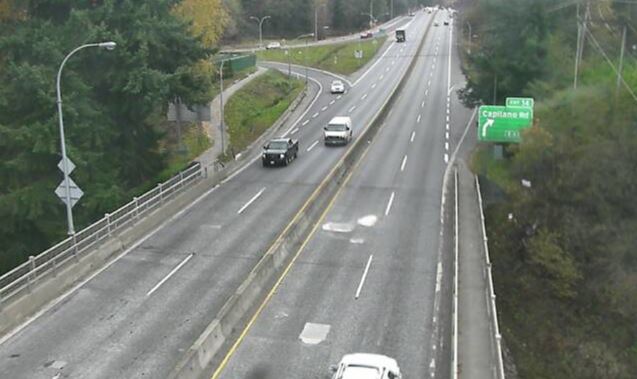
The study is looking at the section of Highway 1 between Lynn Valley Road and the Horseshoe Bay ferry terminal.
This is a key east-west route for people who live and work on the North Shore.
The study will assess current and future performance of the route, predict travel demand to the year 2050, and suggest improvements.
Join the Facebook group North Shore Road Conditions for daily traffic updates.
The ministry had been working with all agencies involved to gather as much input and information possible to include in the technical study, said Danielle Pope, a media relations for the Ministry of Infrastructure and Transportation.
Pope said the study was gathering input from the City of North Vancouver, District of North Vancouver, District of West Vancouver, TransLink, and local First Nations.
“We are in the process of finalizing the Highway 1/99 Upper Levels Corridor Study, and we look forward to sharing the results of the technical study soon,” Pope said.
The timeline for the completion and publication of the study had to be adjusted due to COVID-19 pandemic and other complexities.
The $110,000 contract was awarded to Parsons Inc, and the study was expected to be complete by summer 2020.
“This study will identify potential future improvements to the Upper Levels Highway that connects people to ferries, the Sea to Sky Highway, work and school, and the many recreational activities this region has to offer,” Pope said.
Join the Facebook group North Shore Road Conditions for daily traffic updates.

Expected conclusion of study: Build a bike lane.
Realistic requirement: BUILD ANOTHER CROSSING!!!
Transit planning is done by people usually under the age of 40 and they have no one over the age of 70 as a result transit is not AGE Friendly. It does not take us where we want to go nor does it bring us home from where we go. UNLESS we can walk and walk and stand and wait and stand and wait in the wind and rain on a winter’s night it isn’t a good service. Ray Richards
TRANSIT BUS SHELTERS
I find it curious how these were designed.
When an aircraft is envisioned a mock up is produced and the design assessed by real humans sitting in the seats and moving about.
I have no idea how these appalling West Vancouver bus shelters were designed – presumable without using an actual physical mock up.
With the present design there is usually more rain on the shelter floor or inside than on the sidewalk, as the angle and height were never tested .Could not somebody with a hose have simulated rain to test these??
Also with some shelters, the placing of the advertisement panel at the sides obscures the view of the waiting passenger from the hapless driver who then has to brake suddenly, if the passenger was even noticed in time. or else neglect the passenger completely.
couldn’t agree more I had the misfortune of riding the bus last year during a rain storm when my car broke down,
the shelters are useless
build a third crossing, its really a simple idea, next improve the on ramp at cap road, then if you have more money to spend widen the roadway, next bike lane if your feeling really drunk on Tax payer money
A Third Crossing for automobiles is just plain crazy. The last thing we should do is to encourage use of yet more private cars by spending yet another $5B on them. Every added lane attracts more car traffic; it’s a phenomenon recognized by traffic experts worldwide, called Induced Demand. Within three years, the Third Crossing will be jammed like the First and Second Narrows crossings.
Instead, create a rapid rail link across the Harbour that can join up with the existing rail lines that already run along the North Shore waterfront from Second Narrows to Horseshoe Bay and Whistler.
Then restore the streetcar lines that once ran on Lonsdale and Lynn Valley, and expand them to wherever they are needed in the 21st century.
Move people, not cars. Especially not single-passenger cars!