




Mayor Little and Members of Council,
I am writing to express my opposition to the proposed Community Opinion on a Rice Lake Connector Project and the recommendation to advance consideration of a Rice Lake Connector as a priority for the incoming Council.

My opposition is not based on resistance to transportation planning, efforts to address congestion, or investment in transportation infrastructure. Rather, it is based on the fact that Council is being asked to elevate a major infrastructure concept to election issue status before the fundamental work necessary to assess that concept has been completed.
The Mayor’s report itself acknowledges that significant unknowns remain regarding: environmental impacts, hydrology and watershed impacts, geotechnical conditions, natural hazards, archaeological considerations, First Nations engagement, neighbourhood impacts, construction feasibility, project costs and funding arrangements, and whether the connector would meaningfully improve transportation system performance and congestion.
The report further acknowledges that traffic modelling, network analysis, feasibility assessments, and a business case would be required before these questions can be properly answered.

Given these admitted uncertainties, I do not believe residents should be asked to endorse further consideration of the project through a municipal election question. At present, residents are being asked to support a concept without understanding its true costs, impacts, benefits, risks, alternatives, or likelihood of success.
Rice Lake Is a Community Asset Worth Protecting
Rice Lake is not an empty transportation corridor. It is one of the North Shore’s most valued natural and recreational destinations and forms part of the Lower Seymour Conservation Reserve. It is widely used for walking, hiking, fishing, birdwatching, nature appreciation, and family recreation. The area is consistently promoted as an important ecological and recreational resource for residents and visitors alike. The surrounding area contains: mature forest ecosystems, wildlife habitat and movement corridors, fish habitat and aquatic ecosystems, sensitive riparian and watershed functions, extensive recreational trail networks, and lands that have been protected and managed for conservation and public enjoyment for decades.
Any proposal involving a bridge crossing, roadway infrastructure, or new transportation corridor in or adjacent to this area should be approached with extreme caution.

Significant Environmental Concerns Remain Unanswered
The Rice Lake area and surrounding conservation lands provide habitat for a variety of wildlife, including species of conservation concern such as the Little Brown Myotis and Northern Saw-whet Owl. The protection of connected forest habitat and wildlife movement corridors is essential to maintaining the area’s ecological integrity.
In addition, the Rice Lake, Lynn Creek, and Lower Seymour Conservation Reserve area supports important fish habitat, aquatic ecosystems, riparian functions, and watershed values that contribute to the long-term environmental health of the North Shore. The protection of these interconnected natural systems is essential to maintaining water quality, ecological resilience, and biodiversity.
The area surrounding Rice Lake and the Lower Seymour Conservation Reserve also provides important habitat and movement corridors for wildlife, including black bears and numerous other species that depend on large, connected forested landscapes for habitat, movement, breeding, and long-term survival.
In recent years, significant attention has been given to the protection and recovery of sensitive wildlife populations throughout British Columbia. Habitat fragmentation, increased traffic, artificial lighting, noise, and human disturbance can all affect wildlife use of an area and disrupt ecological connectivity.
The District itself has invested significant effort in promoting environmental stewardship and coexistence with wildlife. Any proposal that may affect wildlife habitat, fish habitat, watershed functions, or wildlife movement corridors should be supported by comprehensive ecological assessment and evidence demonstrating that impacts can be avoided or meaningfully mitigated before being advanced as a public policy priority. Based on the information currently available, a connector between Upper Lynn Valley and Inter River has the potential to result in: fragmentation of forest habitat, disruption of wildlife corridors, impacts to wetlands and riparian areas, impacts to Lynn Creek and watershed functions, increased noise and light intrusion into natural areas, increased vehicle activity in a currently quiet recreation setting, impacts to trail systems and recreational experience, increased stormwater runoff and water quality concerns, and cumulative environmental impacts when combined with ongoing growth and development pressures elsewhere in the District.
These concerns are particularly important because the report acknowledges that environmental assessments, hydrological studies, and feasibility work have not yet been completed. How can residents be asked to endorse further consideration of a project when the environmental consequences remain largely unknown? I believe the burden should be on proponents of the project to demonstrate that these impacts can be avoided or adequately mitigated before the concept is advanced as a Council priority.
Community Concerns Should Not Be Dismissed
Residents have already raised concerns regarding: environmental impacts, conservation land protection, recreational impacts, induced traffic demand, neighbourhood impacts, and the possibility that congestion may simply be shifted from one location to another rather than resolved.
These concerns deserve serious consideration. The report itself acknowledges that transportation modelling has not yet been completed to determine whether the project would provide meaningful congestion relief. Until that work is undertaken, claims regarding transportation benefits remain speculative.
If the objective is emergency access, emergency preparedness, or transportation network resilience, those objectives should be clearly identified, transparently communicated, and evaluated independently rather than being combined with broader congestion relief objectives. Different problems may require different solutions.
Election Politics Should Not Drive Infrastructure Planning
I am also concerned by the timing of this proposal. The recommendation seeks to place a non-binding question before voters during a municipal election while simultaneously recommending that consideration of the connector become a priority for the incoming Council. This effectively asks residents to endorse further consideration of a project before the technical, environmental, financial, and transportation analyses necessary to evaluate that project have been completed.
Major transportation and infrastructure decisions should be driven by evidence-based planning, technical analysis, and public consultation, not by election-cycle politics. The appropriate sequence should be: 1. Identify the transportation problem; 2. Evaluate alternatives; 3. Complete transportation modelling and technical analysis; 4. Assess environmental impacts; 5. Develop preliminary cost estimates; 6. Engage affected stakeholders and First Nations; 7. Present findings to the public; and 8. Seek direction from Council and residents.
The current proposal reverses this process by seeking public endorsement before the necessary analysis exists. At a time when the District faces significant infrastructure, transportation, housing, and climate resilience challenges, I am concerned about directing public resources toward advancing a concept whose necessity, feasibility, effectiveness, and long-term costs remain largely unknown. Council’s limited time, attention, and resources should be focused on evidence-based planning initiatives that have been properly scoped, analyzed, and evaluated before being elevated as public priorities.
The Past Should Inform the Future
The report notes that a Rice Lake Road Connector was contemplated in the 1990s but was not pursued. Before this idea is revived, residents deserve to know: What analysis was undertaken previously? What conclusions were reached? Why was the concept not advanced? What has changed since that time?
If significant work was previously undertaken, that information should be made publicly available before Council seeks public endorsement of further work. Those questions should be answered before the District asks residents to support further consideration of the proposal.
Protect Conservation Lands Before They Are Threatened
The District has spent decades protecting natural areas, watersheds, wildlife habitat, and recreational landscapes that are now among the community’s most valued public assets.
Rice Lake and the surrounding Lower Seymour Conservation Reserve are not vacant lands awaiting future transportation infrastructure. They are ecologically significant conservation lands and heavily used recreational areas that provide habitat, watershed functions, trail networks, fishing opportunities, environmental education, and access to nature for thousands of residents and visitors every year.
The area surrounding Rice Lake contains mature forest ecosystems, fish and aquatic habitat, wildlife movement corridors, wetlands, riparian areas, and interconnected recreational trails. These features contribute to the environmental health of the North Shore and form part of an increasingly rare and valuable natural landscape.
Yet the proposal before Council contemplates advancing consideration of a transportation connection through or adjacent to these lands without first completing the environmental, hydrological, ecological, transportation, financial, and feasibility analyses that would normally be expected before such a concept is elevated to a public policy priority. This approach places the conservation values of the area at risk before the public has been shown compelling evidence that such a project is necessary or justified.
Once transportation corridors are established through sensitive natural areas, the impacts are often permanent. Forest fragmentation, habitat disruption, increased traffic, noise, lighting, stormwater runoff, and loss of natural character cannot simply be reversed if later found to be problematic. For this reason, I believe the District should adopt a precautionary approach. The burden should rest entirely on proponents of the project to demonstrate that: a clear transportation need exists; no less damaging alternatives are available; meaningful public benefits can be achieved; environmental impacts can be avoided or minimized; and the long-term ecological and recreational value of the area will not be compromised.
To date, that evidence has not been presented. In my view, Rice Lake and the surrounding conservation lands should be protected, not positioned as potential transportation corridors. These lands are part of the natural legacy of the North Shore and should remain places for conservation, recreation, and future generations to enjoy, rather than becoming subjects of election-cycle infrastructure speculation.
For these reasons, I oppose both the proposed Rice Lake Connector community opinion question and the recommendation to identify the project as a priority for the incoming Council. The District has not yet demonstrated that the proposal is necessary, feasible, environmentally responsible, financially prudent, or capable of delivering meaningful transportation benefits. Until those questions are answered through objective analysis and made available to the public, I respectfully request that Council reject the proposed community opinion question and reaffirm its commitment to protecting the environmental, ecological, recreational, and conservation values of Rice Lake and the surrounding Lower Seymour lands.
Sincerely,
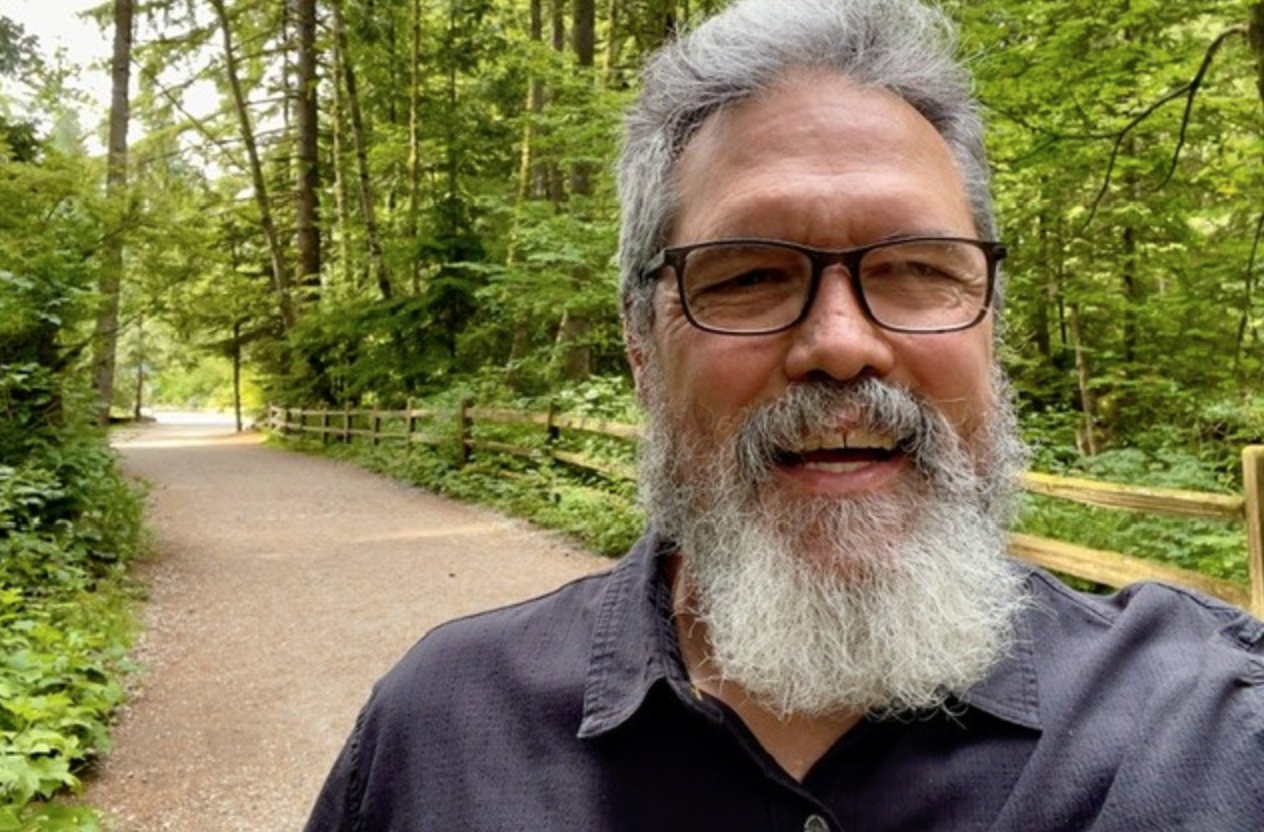
David Lee


Fantastic article. Thank you reminding us of best practices across the board 🦌🌳🌿🦉
As a born and raised North Vancouverite senior, I totally agree with David Lee’s letter to the District. The proposed community opinion question and the directive to District Council is premature, especially when connected with a District election. People/ citizens do not always read or consider all the facts and jump to conclusions based on possible outcomes, especially if they are affected with the current transportation difficulties. Living in the Lynnmour area now, growing up in upper Lynn Valley area, I truly cherish the Rice Lake, the Seymour Conservation Land and surrounding areas for the wonderful nature it encompasses. My 4 children who are avid hikers also cherish the accessibility they have to precious natural forest, waterways and lakes and the wildlife that it supports, that are protected by these areas adjacent to Rice Lake etc. To prematurely put this as a voting questions is, in my view wrong. When all the studies have been, alternatives looked at, then see what the greater populous thinks and wishes. They may choose to continue with difficult transportation over losing or affecting the Rice Lake and Lower Seynour areanatral forests, waterways lakes and the wildlife and fauna that is supported by these areas. As David Lee says” once disturbed, there’s no going back and reesatablishing them”.
Kind regards,
Sandra iller, very concerned citizen.
As a born and raised North Vancouverite senior, I totally agree with David Lee’s letter to the District. The proposed community opinion question and the directive to District Council is premature, especially when connected with a District election. People/ citizens do not always read or consider all the facts and jump to conclusions based on possible outcomes, especially if they are affected with the current transportation difficulties. Living in the Lynnmour area now, growing up in upper Lynn Valley area, I truly cherish the Rice Lake, the Seymour Conservation Land and surrounding areas for the wonderful nature it encompasses. My 4 children who are avid hikers also cherish the accessibility they have to precious natural forest, waterways and lakes and the wildlife that it supports, that are protected by these areas adjacent to Rice Lake etc. To prematurely put this as a voting questions is, in my view wrong. When all the studies have been made, alternatives looked at, then see what the greater populous thinks and wishes. They may choose to continue with difficult transportation over losing or affecting the Rice Lake area and Lower Seymour area’s natural forests, waterways lakes and the wildlife and fauna that is supported by these areas. As David Lee says” once disturbed, there’s no going back and re-esatablishing them”. Kind regards, Sandra Miller, very concerned citizen.
Well said! If we’ve seen nothing else by the year 2026 it should be how badly rushed political projects turn out.
It also seems to go against all the re-greening and urban environment work that I’ve seen and participated in just the last decade.
I hope council listens to the public. This is not something to add to their popularity contest.
I grew up in Lynn Valley and have lived on the North Shore almost my whole life. The reason I love it here is because of the natural beauty and features like Lynn Canyon and the Seymour Conservation Reserve. When I have visitors from back east or elsewhere I like to take them on the very trail that Mayor Little is suggesting turning into a “collector road” across Lynn Canyon towards Rice Lake. These visitors are always blown away by the incredible natural features and setting we have right beside the city. In Toronto you would have to drive hundreds of kilometers out of town to see anything even close to this kind of natural setting. That’s what happens when you turn everything into roads and buildings. Fortunately, it was only Mayor Little that supported this ridiculous motion. Council soundly defeated it 6-1. I hope North Van residents remember this at election time and never take for granted what makes this place so special.