






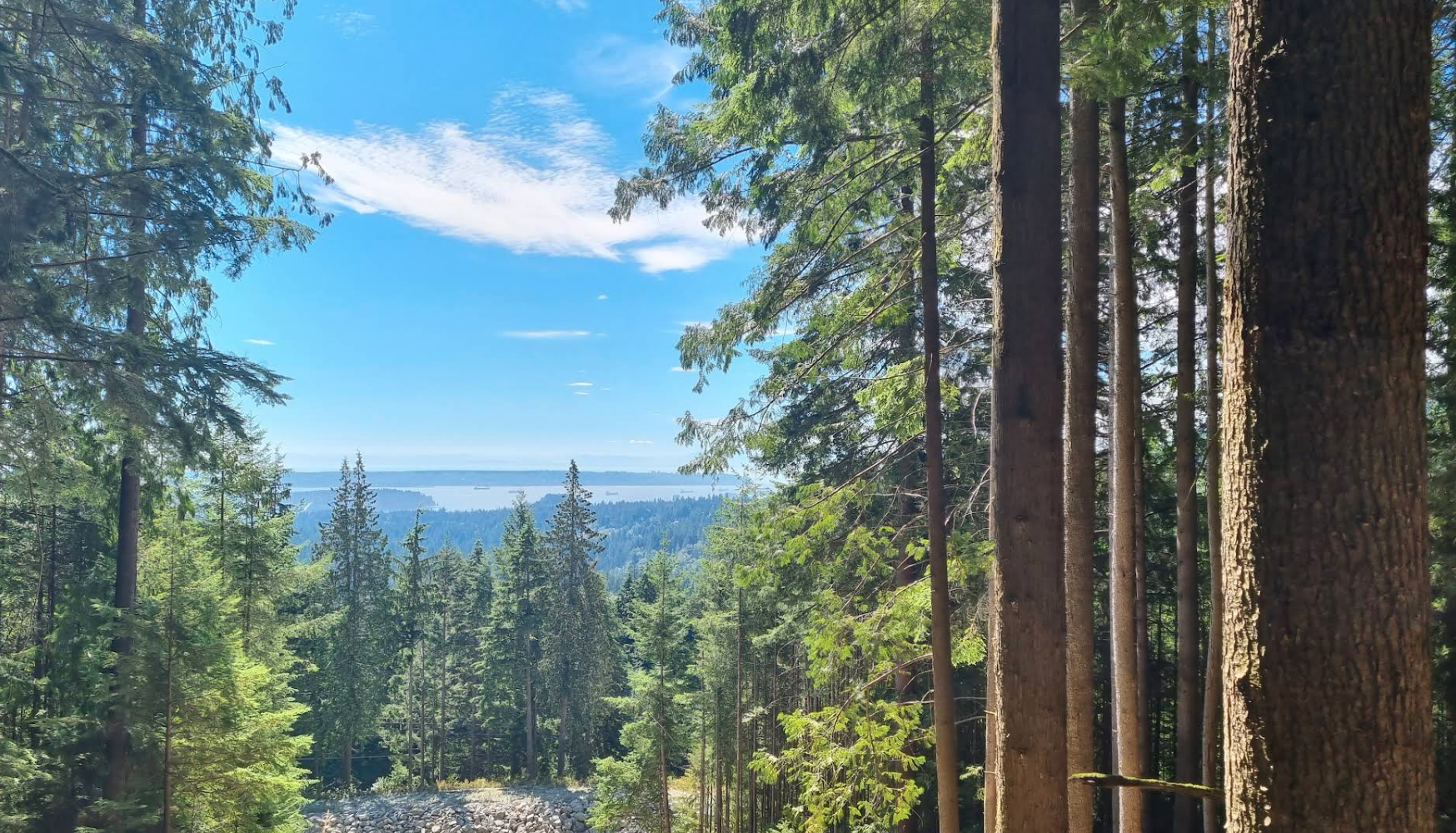
The Grouse Grind Trail reopens to the public on Tuesday, April 21, kicking off another season of one of Metro Vancouver’s most popular climbs.
Metro Vancouver announced the opening of the world-famous hike on Monday, with trail access running from 7:00 am to 6:00 pm. Closing times will shift throughout the season as daylight hours change.

“It’s a wonderful time to get outdoors and connect with nature, and tackling the Grouse Grind is a great way to boost your mental and physical health after a long, rainy winter,” said Metro Vancouver Chair Mike Hurley.
Sign up for news alerts from the North Shore Daily Post
Hikers returning to the trail this year will notice some changes underfoot. Several sections of stairs were replaced over the winter as part of ongoing maintenance work. Additional improvements are planned for this fall, when the trail will close again between October 13 and November 6.
“The changes made to the Grouse Grind during the off-season make it safer for hikers and help the trail last longer,” said John McEwen, Vice Chair of Metro Vancouver and Chair of the Regional Parks Committee. “Now we’re ready to welcome hikers back for a new season of trekking.”
Located in Grouse Mountain Regional Park, the trail is no Sunday stroll — it climbs from 300 metres to 1,100 metres of elevation over just 2.5 kilometres and is rated difficult. Officials are urging hikers to come prepared with sturdy footwear, weather-appropriate clothing, water, food, and a cellphone. Those with heart conditions, high blood pressure, or breathing problems such as asthma are advised not to attempt the steep ascent.

Emergency defibrillators (AEDs) have been reactivated at points along both the Grouse Grind and the adjacent BCMC Route. Downhill hiking on the Grind itself remains prohibited — hikers must descend via the Grouse Mountain Resort Skyride and Gondola or the BCMC Route. Dogs are not permitted on either trail.
Grouse Mountain Regional Park is one of 24 parks in Metro Vancouver’s regional park system, which drew 14.7 million visitors in 2025 and spans nearly 14,000 hectares across communities from Bowen Island to Langley and Maple Ridge.
McEwen noted the organization’s long stewardship of the region’s green spaces. “For over 50 years, Metro Vancouver has proudly cared for some of the region’s most cherished parks.”