




For years, North Vancouver taxpayers have been told that annual property tax increases are simply unavoidable. Inflation, rising costs, growing demands and new initiatives are routinely cited as reasons why homeowners and businesses must continue paying more every year. Yet one obvious question is rarely asked:
Why are governments so quick to raise taxes, but so reluctant to reduce spending?

A recent example from Scottsdale, Arizona demonstrates that another approach is possible. The Scottsdale City Council has adopted a $2.119 billion budget for fiscal 2026/27 that is actually $84.7 million lower than the previous year while maintaining a balanced budget and a strong financial position. At the same time, Scottsdale continues investing heavily in public safety, roads, water infrastructure, parks and other core municipal services. The city projects a healthy reserve fund balance of more than $214 million while reducing overall expenditures.
Imagine that.
A municipality identifying efficiencies, setting priorities and controlling costs rather than automatically reaching deeper into taxpayers’ pockets.
Vancouver, Washington approved a 2026 budget with a 0% property tax increase after identifying approximately $120 million in efficiencies and new revenue opportunities. These municipalities demonstrate that elected officials have choices. They can challenge staff to find savings, prioritize essential services and improve efficiency. Or they can simply continue increasing taxes year after year. Unfortunately, North Vancouver appears committed to the latter approach.

Meanwhile, North Vancouver property owners continue to endure annual increases that far exceed inflation. This comes despite years of growth in population, development and the number of taxable residential units. Basic economics would suggest that a larger tax base should create economies of scale and reduce pressure on individual taxpayers. Instead, taxpayers are continually asked to pay more while receiving little explanation as to why meaningful spending reductions are never seriously considered.
The issue is not whether municipalities should provide important services. Of course they should. The issue is whether elected officials are exercising the fiscal discipline required to protect taxpayers.
Too often, councils appear more interested in expanding programs, creating new initiatives and funding pet projects than examining where costs can be reduced. Rarely do we hear discussions about hiring freezes, department consolidations, productivity improvements or incentives for staff to identify savings opportunities. Yet these are standard practices in successful businesses and many well-managed municipalities.
Property owners are not an unlimited ATM machine. Every property tax increase must be paid with after-tax dollars earned by working families, retirees and local businesses. Continually increasing taxes is not leadership. It is simply the easiest option.
Real leadership requires making difficult decisions, prioritizing needs over wants and demanding efficiency from government itself. Scottsdale has demonstrated that it can be done. The question North Vancouver taxpayers should ask is simple:
If Scottsdale can reduce its budget while maintaining essential services, why can’t North Vancouver? This is an election year for the BC municipalities and it’s time to examine the horrible records of the current NVC and NVD Councils and Mayors. It time to vote differently and for people that will reduce our tax burden!

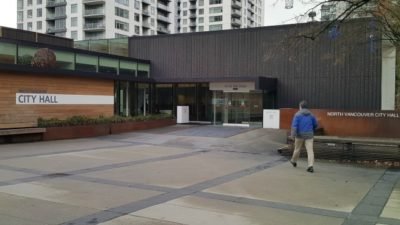



Scottsdale and Vancouver, Washington are not the City of North Vancouver (CNV). Pointing to two municipalities that held the line on taxes for one budget cycle does not prove the CNV can do the same. To make that case, you would need to show which specific services, projects, staffing levels, infrastructure obligations, collective agreements, and growth pressures the CNV could cut without harming residents.
Scottsdale’s budget reduction is also misleading if presented without context. Governments sometimes reduce spending because large one-time capital projects have ended, revenues have increased from economic growth, reserves are being used, or accounting changes have occurred. A lower budget in a single year does not necessarily mean greater efficiency. Likewise, a 0% property tax increase does not mean costs disappeared—it may mean they were offset by other revenue sources, development fees, utility charges, grants, or reserve funds.
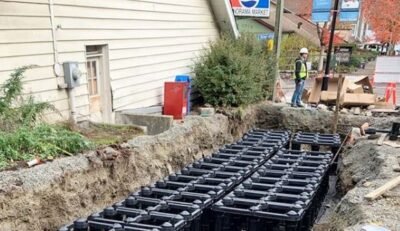
The claim that a growing population should automatically reduce taxes through economies of scale ignores the reality of municipal growth. New residents require roads, water systems, sewer capacity, parks, emergency services, recreation facilities, transit infrastructure, and maintenance. Growth often creates new costs as quickly as it creates new tax revenue.
Property tax increases are not always evidence of waste. Municipalities face inflation just like households do, but they are especially vulnerable because labour, construction, utilities, insurance, and infrastructure costs have risen much faster than general inflation in recent years. If costs rise 6–10% while revenues remain flat, maintaining the same service levels becomes impossible without either raising taxes or cutting services.
The real question isn’t “Why don’t governments cut spending?” It’s “What specifically should they cut?” If someone believes taxes are too high, they should identify which services they are willing to reduce: fewer firefighters, less road maintenance, delayed infrastructure replacement, reduced recreation programs, fewer snow-clearing crews, or fewer police officers. Fiscal discipline is important, but so is honesty about the trade-offs.
Every politician promises “efficiencies.” The hard part is finding enough of them to offset millions of dollars in rising costs without reducing services. Before concluding the CNV is fiscally irresponsible, taxpayers should ask for evidence of waste, not just examples of other cities that happened to have a lower budget one year.
So Tony, I ask this simple question (and anyone is more than happy to answer as well): If the solution is so obvious, what exactly would you cut?