





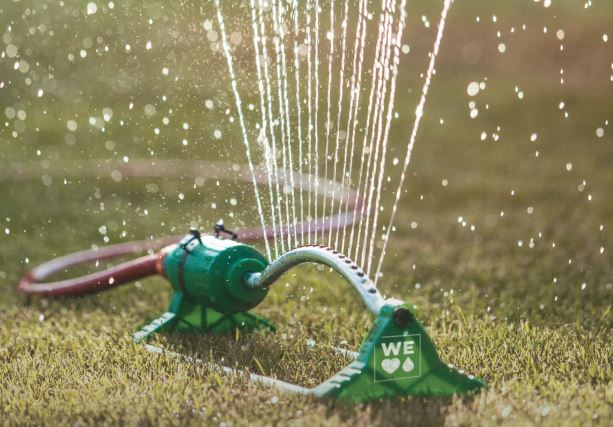
Metro Vancouver will move to Stage 2 water restrictions on May 1, prohibiting all lawn watering across the region as officials brace for a dry summer following an unusually low snowpack and a forecasted drought.
According to the press release, snowpack levels in the regional water supply areas are sitting at roughly half of the historical average — significantly lower than the same time last year. While reservoirs are currently at normal levels, snowmelt typically plays a crucial role in keeping them fuller well into summer. Without it, and with drought conditions expected to reduce rainfall through to fall, water managers are sounding the alarm early.
Sign up for news alerts from the North Shore Daily Post
“Metro Vancouver has one of the highest per-capita water consumption rates in Canada,” the press release noted, adding that daily water use in the region can spike by more than 50 per cent in the summer months — driven largely by lawn irrigation.
The timing of the restrictions is also tied to ongoing infrastructure work. The First Narrows Crossing, one of the key supply pipes drawing water from the Capilano and Seymour reservoirs, has been out of service since last fall to accommodate construction of the Stanley Park Water Supply Tunnel. According to the press release, excessive non-essential water use during the summer could reduce water pressure across the system — potentially hampering first responders’ ability to access water in emergencies.

Under Stage 2, residents are barred from watering lawns, washing driveways or sidewalks, and filling decorative fountains or water features. Trees, shrubs, and flowers may still be watered by hand, soaker hose, or drip irrigation at any time, or by sprinkler between 5:00 and 9:00 a.m. Vegetable gardens face no watering restrictions. Water play parks may not operate unless equipped with user-activated switches.
Non-residential properties face similar rules, though golf courses and sports fields may continue watering to protect their turf, particularly those that draw from supplemental sources or operate under approved water management plans. The restrictions do not apply to rainwater, grey water, or recycled water. Enforcement falls to individual municipalities through local bylaws.
Metro Vancouver has indicated that it anticipates further tightening of restrictions in early June, when demand typically climbs again. Weekly updates on weather, snowpack, reservoir levels, and water demand will be posted to the regional authority’s website beginning May 6. Full restriction details are available at itsalldrinkingwater.ca.